

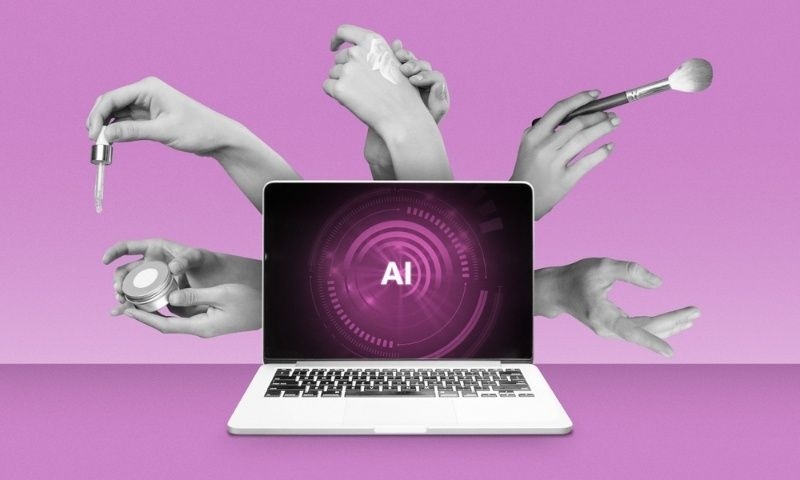
Artificial intelligence has quietly slipped into beauty routines. Not loudly, not all at once—but steadily, almost invisibly. One day, it was filters. Then skin scans. Now it’s product suggestions that feel oddly precise. The shift is real. Still human, but guided by machines. Some love it, some resist it. Both are fair. Because it’s changing how we see ourselves in small ways that add up. Less guesswork, more targeting. Yet also less spontaneity. Strange mix. In this blog, we break down how this shift is shaping skincare and makeup right now.
The phrase sounds heavy, but the reality is practical. AI-powered beauty trends are not some distant concept—they are already baked into apps, devices, and even store experiences.
Brands collect skin data, behavior patterns, and purchase history. Then they feed it into systems that predict what your skin might need next. Not just what it needs now, that’s the shift. Predictive, not reactive.
Some tools scan your face through your phone camera. They flag redness, texture, and fine lines. Sometimes accurate, sometimes slightly off—but improving fast. The idea is simple: reduce trial and error. Save time, save money.
Yet there’s a flip side. Over-reliance. When every choice is suggested, personal instinct fades a bit. You stop experimenting. Or maybe you don’t. Depends on the user.
Still, the direction is clear. AI is not replacing beauty—it’s reshaping how decisions get made.
Data sounds cold, but here it’s oddly intimate. Skin type, climate, sleep habits, and even stress levels—some platforms factor all this in. A serum isn’t just “for dry skin” anymore. It’s for your dry skin, in your city, during this season. That level of filtering wasn’t possible before.
And yes, it works. Sometimes surprisingly well.
In the US market, personalized skincare, USA, is no longer niche. It’s mainstream, moving fast. Consumers expect products tailored to them. Not generic labels. Not vague claims.
Brands are jumping in, offering everything from quick quizzes to fancy AI diagnostics and even DNA-based suggestions for your skincare routine. Some send custom-formulated creams. Others adjust recommendations monthly based on feedback loops.
Subscriptions are rising here. Not just convenience—continuity.
You get products regularly, but also updates. The system tracks how your skin reacts over time. If something changes, the formula or recommendation shifts.
Almost like a feedback conversation between your skin and the algorithm.
But it’s not perfect. Skin is unpredictable. Hormones, diet, weather—they interfere. AI tries to keep up. Sometimes it does. Sometimes it lags. Still, users like the attempt. It feels attentive.
Beauty tech innovations used to mean gadgets that felt optional. Now they’re becoming skincare routine tools.
Think smart mirrors that analyze your face each morning. Devices that adjust lighting to show how makeup looks in different environments. Apps that simulate aging or improvement.
Not gimmicks anymore. More like assistants. Some tools measure hydration levels. Others track UV exposure. A few even suggest when to reapply sunscreen based on real-time data.
It’s precise. Almost clinical. Yet oddly helpful.
Home-use devices—once basic—are evolving. LED masks, microcurrent tools, cleansing brushes. Now connected to apps. They track usage, suggest intensity levels, and sometimes warn if you’re overdoing it.
Overuse used to be common. Now the device itself steps in. That’s new. And useful.
Makeup is also shifting. Not just what you use, but how you apply it.
Smart makeup tools are entering quietly. Brushes that guide pressure. Apps that map your face and suggest contour placement. Virtual try-ons that are shockingly realistic.
Shade matching used to be frustrating. Store lighting, inconsistent testers—nothing reliable. Now, AI scans your skin tone through your camera. Matches foundation, concealer, and lipstick, often across brands.
Accuracy isn’t perfect. But it’s close enough to reduce returns. And convenience wins. People try ten looks in minutes. No mess. No cost. Just experimentation.
AI skincare analysis goes deeper than surface-level scans. It tries to interpret patterns. Breakouts in certain areas. Changes in texture over weeks. Pigmentation shifts.
Older tools told you what’s wrong. New ones try to predict what’s coming. If your skin tends to break out after stress spikes, the system might flag risk early. Suggest preventive care.
That’s where AI becomes more than reactive. But prediction is tricky. Human biology isn’t linear. Still, even partial accuracy helps. And users seem willing to trade a bit of uncertainty for early warnings.
Also read: Natural Beauty Trends: Useful Tips for Radiant Skin and Glow
There’s a misconception: the future beauty industry will be fully digital. It won’t. It will be hybrid. Human expertise plus AI support. Dermatologists are using AI scans. Retail stores are blending physical products with digital diagnostics. Not replacement. Augmentation.
People still trust people. A machine can suggest products. But emotional reassurance—confidence, taste, and intuition—still comes from humans.
AI lacks context sometimes. It doesn’t “feel” beauty. It calculates it. That difference matters. So the future isn’t machines taking over. It’s machines assisting, quietly in the background.
AI in beauty isn’t a trend that will fade. It’s a structural shift—slow, uneven, sometimes messy, but steady. It changes how people choose products, how they apply them, and even how they think about their skin. Not all of it is perfect. Some tools overpromise. Some users feel overwhelmed. Yet the direction holds. Try AI-powered looks instantly with FaceGPT’s AI makeup generator: https://facegpt.com/ai-makeup-generator.
More personalization, more data, more subtle automation. Still, beauty remains personal. AI can guide, not define. The balance will matter. Tools should assist, not control. And that line—thin, shifting—will shape what comes next in this space.
For the most part, yeah. But let’s be honest—it's not perfect. AI depends on the data it’s fed, and sometimes that data just doesn’t cover every skin type or condition out there. Treat it as a good starting point, not gospel. Patch testing is still important.
Not really. Sure, it can make things faster and toss out some different ideas, but it’s just not the same as a person’s judgment or experience. AI misses that gut instinct people have, especially when things get tricky.
Most do. They’ll grab your images, preferences, how you use the app—you name it. Always read their privacy policy. Different apps can handle your data in totally different ways, depending on where you live and what laws apply.
Some definitely are. High-end gadgets and subscriptions can get expensive fast. But there are plenty of free or cheap apps out there, and prices will probably come down as they become more mainstream.
This content was created by AI