

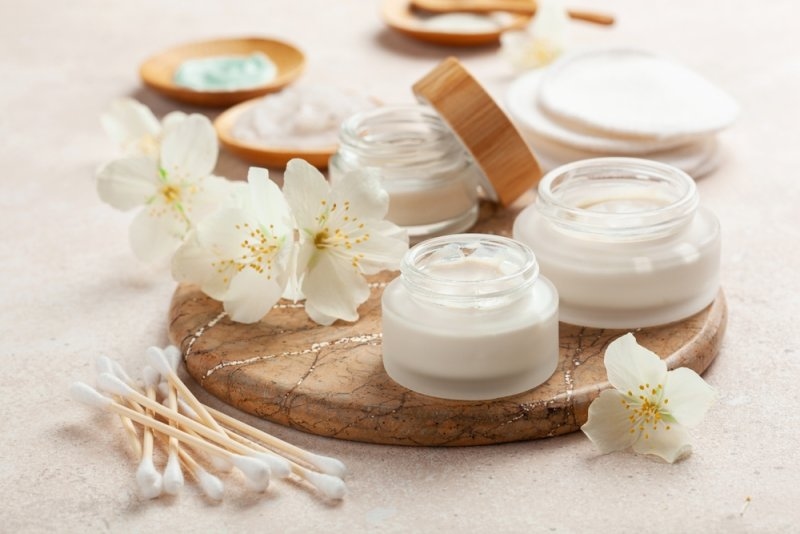
Waste from such products includes waste from used packaging, cotton balls, trial products, and barely opened products. Choosing eco-friendly products in this industry is a good way to cut down the environmental damage caused by your beauty routine without necessarily changing your preferred skin-care, hair-care, and make-up products.
Sustainability is not just having an “eco-friendly” label on the product. Consider what the product consists of, the raw materials that go into making the product, the manner in which the product is transported, the shelf life of the product, and the disposal of the product’s packaging.
While concentrates, reusable applicators, and refills might help reduce waste, recycled packaging may still be challenging to recycle locally. Comparing specifics will be better than making generalizations, and natural ingredients are not always gentler, nor are synthetic ingredients harmful.
Also Read: Why Choose Korean Skincare vs. Western Skincare for Your Skin?
One of the easiest ways of saving the environment from waste is to switch disposable accessories that you use on a regular basis to washable ones. Cotton balls, soft face cloths, and washable pads are perfect replacements for disposable cotton balls and wipes. Make sure that they are washed regularly as per their care guidelines.
Washable products are the best when used again and again with proper care. Always make sure to have some clean pads ready before doing the laundry, change broken things, and make sure that your brushes are cleaned regularly. You do not have to use a disposable wipe if a washable cloth with proper cleanser serves your purpose.
Refillable beauty products work because they have a reusable bottle with the substance that needs to be replenished. The refillable option can be found for cleansers, moisturizers, deodorants, shampoo, body wash, and makeup. With continuous use, there would be no need to buy a new external container all the time.
Find out what the material of the refill container is and if it can be returned, reused, or recycled. A refill is not necessarily an environmentally friendly option if it is unnecessarily overpackaged or hard to buy. Compare its cost per ounce or milliliter with the full-sized one.
Only fill up those bottles for which the refill was intended, and follow the cleaning instructions of the company. It is essential not to mix substances and not to contaminate the products meant for use around the eyes and sensitive skin areas.
The eco-packaging for cosmetics could consist of recycled plastic, recyclable glass or metal, cartons made of paper, lightweight bottles, or reusable dispensers, which vary depending on the nature of the cosmetic item and on recycling capabilities in the area where the products are sold. While glass can be widely recycled, it is heavy and may be fragile, whereas plastic is light but cannot be accepted in some recycling facilities.
There are also pumps, mirrors, magnets, droppers, and even multicomponent caps that complicate the process of recycling. A label on the product saying that it can be recycled might not always mean that it will be possible.
Some sustainable ways to package skincare products include using refillable pouches, recycled products, smaller packaging, or products that require less packaging. Concentrated products and waterless products such as some cleansers, shampoo bars, and balm bars can be other examples. But remember that ingredients and effectiveness play an important role in choosing a replacement. The alternative should work for you and have the same shelf life.
Keep your bars in a draining dish so they can dry between uses. Be careful with instructions when dealing with concentrated products because overusing them will reduce their lifetime. Compare the number of uses, not packaging sizes.
When comparing sustainable beauty brands, be sure to gather verifiable information regarding packaging, refills, and environmental claims. Certifications may be useful for judging specific processes, but there is no certification that proves everything is sustainable.
Before making your purchase, check off:
Do not trust statements such as chemical-free, 100% green, or zero impact. Everything is made from chemicals, and vague statements about environmental friendliness lack context. Look for specific numbers, for example, the percent of recycled material or directions for returning containers.
You may also like: Tips on How to Apply Highlighter for a Beautiful Glow
Steps towards minimizing waste of beauty products begin with changing consumer behavior and not with packaging. Prior to ordering a new item, it is important to examine your drawers to see if there are products that are applicable and that can be used for some more time. It is not sustainable to keep expired beauty products as well as products that have changed their smell, consistency, or look. Sustainability does not go hand in hand with hygiene in that sense.
Here are useful tips:
Do not assume that every “compostable” package belongs in a home compost bin. Some materials require industrial composting conditions, and many local facilities do not accept beauty packaging. Follow the specific disposal instructions.
You don’t have to replace your whole cabinet all at once. A more lasting option could be a good idea for when a particular throwaway item is out of stock, but don’t just toss an existing product because you want a “greener” one.
Check how much each use costs, how well it works, and whether it can be refilled. Refilling will save money if there are refills available and the container lasts. It’s usually easier to make small changes.
Not always. Sometimes reusable products have a higher price tag to start with but will save on the disposable ones in the long run. Take into consideration the cost of each use, refill cost, and the longevity of the product. Purchasing fewer unnecessary products is also good for keeping within your beauty budget.
Depends on what kind of material it is and your local recycling regulations. You may have to clean up the empties, as well as the pumps, droppers, caps, or any other materials that are mixed. Always consult your local regulations or the company about their recycling program.
Not necessarily. The environmental friendliness of ingredients depends on where they come from, how they were grown, processed, and transported, and the entire composition. Also, remember that natural ingredients could be irritating and allergenic.
Look for specific details about packaging materials, refill systems, sourcing, and disposal, along with evidence supporting environmental claims. Be wary of vague language without measurable information. Independent certifications can help assess certain practices, but they do not guarantee that every product is impact-free.
Start with a product or accessory you use often, such as disposable cotton pads or shampoo bottles. Try a washable alternative or a refill option when you next run out. A change you can maintain comfortably is more useful than a complicated routine you quickly abandon.
This content was created by AI