

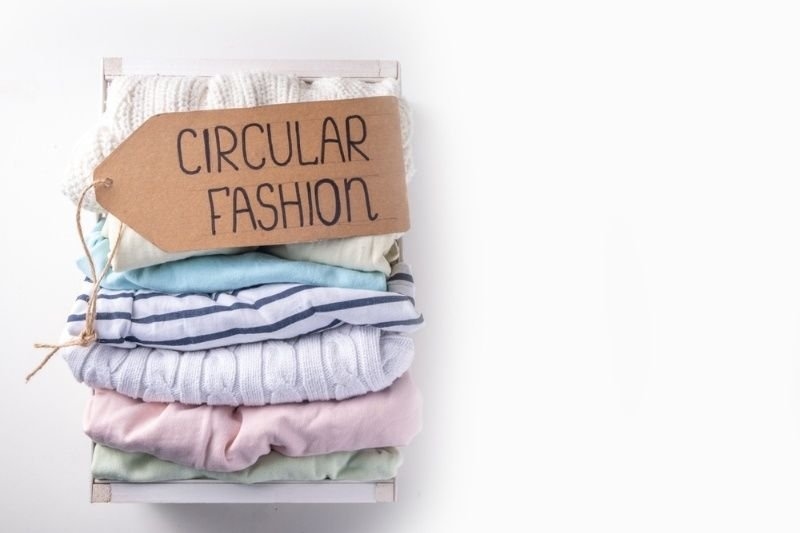
You can get involved in and encourage circular fashion by buying and choosing thoughtful garments and purchases, buying products that are durable, and taking garments to repair them as wear takes place, as well as buying previously used garments or having previous garments remade and remade again for resale.
It has historically been fairly straightforward in fashion—produce clothes, buy clothes, wear clothes, then discard clothes; however, for this fashion we now look to wearing clothes and fibers for as long as is possible, supported by design and consumption, which can result in a waste-free system.
The idea behind circular fashion is not allowing garments to have a short, one-way lifespan to the landfill. Circular garments are designed and maintained so that they can be worn, repaired, recycled, remade, or resold to other wearers.
This focuses on the whole lifespan of the item, taking into account its materials, production methods, the ways in which it is used, and what happens after you are finished with it. Sustainable fashion now becomes more about more than just purchasing eco-friendly fabrics; it includes whether you could be wearing an item rather than discarding it after a finite number of uses.
Here's Something Helpful: Understanding the Fashion Life Cycle: 5 Key Stages Explained
The purpose of circular garments is to keep items valuable, and the jacket may be bought new, sold via the resale market, repaired by the next person wearing it, and recycled or disposed of with its fibers recovered.
There's no desire simply to recycle things. Keeping a garment in circulation is often more valuable than recycling and recreating something new. Circular garments support repairing, reselling, sharing, upcycling, and a multitude of other wear-extending uses. (Audaces)
Sustainable fashion now emphasizes improved textiles, thoughtful production processes, and low environmental impact practices, yet in practice items can still be mass-produced and disposed of too quickly.
Circular fashion adds an extra question that both designer and consumer would do well to bear in mind: what happens to clothing when somebody no longer wants or needs to wear it? Durability, ease of repair, recyclability, and the viability of utilizing material after use must all be taken into account when deciding what to buy (or produce) next, and therefore adds an extra facet to what sustainable fashion now concerns itself with.
Reselling pieces to others is one of the easiest ways that anyone can help develop a more sustainable, less consumptive approach to fashion. Not throwing away items that are no longer in use and either selling or acquiring them prolongs the wearable life of both the seller's and the buyer's wardrobes.
The value of clothes is increased, as items that are not of any use to the current owner should not become completely worthless, as their condition remains sufficient for further wear. Buying from others has long been beneficial in this sense, but adding a modern-day fashion resale platform to the mix can help people buy cheaper than buying new and ensure more items are circulated than left unused.
Items that are no longer useful can be sent for recycling, which retrieves usable materials when the worn or faulty garments are in good enough condition for disposal. The nature and quantity of recyclable garments would, however, have been dictated by numerous factors during their conception: whether fibers could easily be extracted from materials to form new fibers and any trims, pockets, or other details used. Recyclable construction should become part of the discussion long before an item is disposed of. (Audaces)
All it takes to start being part of the circular fashion movement is to use a mindful approach and to make changes to a few aspects.
With care for your own items, there's potential in having an expanded and used wardrobe rather than constantly being after new, 'circular' pieces.
Brands have the potential to lead and influence their consumers with their practices. They can opt to use fewer resources, use efficient design concepts, purchase ethically sourced materials, focus on buying/manufacturing clothes built to last, and make items that are as easy to mend or recycle as possible.
Beyond this, brands should establish effective repair and recycling/resale systems; simply collecting garments with the aim of processing them is not circular enough to satisfy its principles unless, when these items have been collected somewhere, they end up having a new and desirable purpose that benefits people and the environment.
A circular fashion framework places its focus firmly away from consumption as we have always known it-away from the purchasing and abandonment of clothes. The concept encourages more wear for an extended portion of an item's lifespan, which in turn makes responsible practices all the more powerful—good clothes that last, items re-found, fashion re-sold, and, finally, disposed of sustainably when the time truly comes.
A simple mantra can, however, exist: love what you own, maintain items of clothing, and look to lengthen each item's life so that items you buy can be enjoyed by you, then, perhaps, for generations to come.
Sustainable fashion is a broad umbrella that addresses ethical and environmental progress throughout how we make and buy fashion. This fashion takes a more defined approach focused on how we use and reuse our garments and materials as part of a long, circular lifecycle and economy.
Yes. Thrifting (or buying secondhand) is considered a practice that participates in and encourages a more of this fashion economy because a garment already in existence continues its lifecycle with a second or third life, obviating the need for the creation of a totally new one. Resale also contributes to reducing wear-and-worth (able-to-be-worn-by-someone-else) material entering waste.
No, not necessarily. All of the recycled material supports this; however, the whole ‘cycle’ also encompasses how things are procured for fashion and, in particular, how long items are made to last, their repairability, the possibilities of reuse, and their eventual ending (circular).
A fast fashion company may engage with a certain aspect of circular fashion; however. For a business to be truly circular, it must address questions of the quantities of production of clothing, the length of the garments’ lifecycle, design choices, repurposing, and waste management.
The simplest way is to begin by focusing on garments you already own: increase wear occasions, follow care instructions to make them last, repair those that are worn, and rehome, recycle, or resell when no longer worn or needed. If purchasing new, opting for durable products and second-hand items instead is recommended.
This content was created by AI